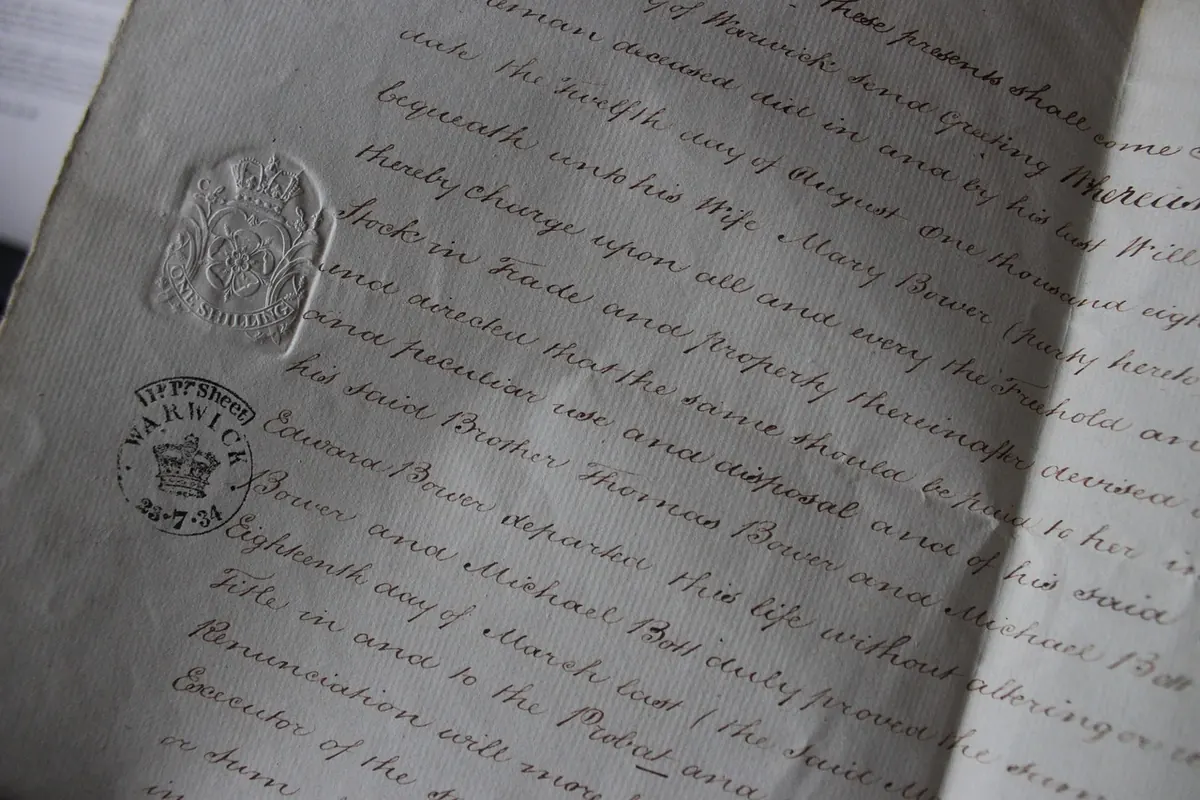


A personal essay pitch is not a summary of your life. It is a short, confident argument that one particular story, told one particular way, belongs in that particular magazine. Most pitches fail for a boring reason: they are vague about the story, or they are written as though the editor has all day. Neither is necessary. What follows is how pitches tend to work in the UK market, from someone who has read a great many of them.
What editors are actually buying
Commissioning editors buy three things when they say yes to a personal essay: a subject, a shape, and a reason for it to exist now. The subject is the situation — a diagnosis, a move abroad, an inheritance, a job you were bad at. The shape is what you learned or how your thinking changed. The reason is why a reader who has never met you should care this month rather than in three years' time.
A diary entry has none of these. It has events in the order they happened. An essay has a turn in it: the moment the piece stops being about what occurred and starts being about what it meant. If you cannot say in one sentence what your essay argues or reveals, the pitch is not ready.
Read the magazine before you write a word
Go to the publication's website and read four or five first-person pieces from the last year. Note the length. Note whether the writer appears as a character or stays behind the material. Note whether the essay ends on a resolution or deliberately doesn't. Then check the contributor or submissions page for word counts and contact details.
Magazines run personal writing in different places, and the same pitch can be wrong in one slot and right in another. A 900-word first-person column about family life is a different animal from a 2,500-word weekend essay with reported sections. Pitch to the slot, not the magazine in general, and say which slot you mean.
The anatomy of a pitch that gets a reply
Keep it under 300 words unless the guidelines say otherwise. Editors skim. Give them the structure they expect:
- A subject line that states the piece. "Pitch: learning to swim at 41" beats "Pitch idea — please consider".
- One line on why you're writing to them. A specific recent piece, not flattery.
- The essay in miniature, 150–200 words. Situation, turn, and what the reader takes away.
- Length and delivery. "I can deliver 1,200 words within two weeks of commission."
- Rights and exclusivity. One sentence confirming nothing has been published or is under consideration elsewhere.
- A short bio. Two lines. Previous publications, your location, anything relevant.
A sample, lightly abbreviated:
Subject: Pitch: the year I learned to swim at 41
Dear [editor], your piece by [writer] on adult beginners stayed with me for days. I'd like to offer something in the same register.
In October I joined a Tuesday-night beginners' class at a council pool, the only person there over twenty. It was meant to be about fitness. It became a year of being visibly bad at something in public, in a city where I had spent a decade being careful. The essay isn't really about swimming; it's about what happens when competence stops being the thing you hide behind. It ends on a note I won't spoil here.
1,200 words, or 1,800 with a short reported section if you'd prefer. Nothing pitched or published elsewhere. Two examples of my work attached below.
Note what the sample does not do: it doesn't summarise the whole essay, explain the ending, or apologise for taking up time.
Write the pitch in the voice of the essay
If the essay is wry, the pitch should be wry. If it's plain and serious, don't dress it up. Editors make a judgement about the writing from the pitch alone, because that is usually all they have. Emails full of "I think this could be a really great fit for your esteemed publication" read as unsure, and unsure pitches get filed.
Two useful habits. First, cut every sentence that exists to manage the editor's feelings rather than to describe the piece. Second, resist sending the full draft unless the guidelines invite it. Most editors prefer a pitch first; some ask for the complete piece, particularly for comment slots. Follow the instructions on the page, not a rule someone repeated on social media.
Word counts, in practice
Personal pieces in British magazines commonly land in three bands. Short comment and first-person columns run roughly 700–1,200 words. Mid-length features and essay slots sit around 1,500–2,200. Weekend magazine essays and long-form first-person pieces can go to 3,000 or more, though those are usually commissioned from writers the editor already knows.
Offer a length, and offer to write to a different one. Editors have pages to fill and a house style to fit; a writer who says "happy to write to 900 or 1,400, whichever suits the page" is easier to commission than one who has already decided.
Rights, and the small print worth reading
Most first commissions come with a grant of first serial rights or first British serial rights, sometimes with a defined exclusivity window. In plain terms, the magazine publishes the piece first, and you keep the copyright. After the exclusivity period, you are usually free to republish or anthologise it, though it's polite to mention where it first appeared.
Watch for contracts that ask for all rights, or for rights in perpetuity across all media, or that describe the work as commissioned on a work-for-hire basis. Those are not automatically unreasonable — some publishers need broad rights for archive and syndication — but they are worth questioning, and worth reading closely before you sign. If a clause is unclear, ask the editor to explain it in writing. For anything substantial, it is sensible to take advice from a solicitor or from the NUJ if you are a member. Fees vary widely between national titles, independents and small literary magazines, and payment on publication rather than on acceptance is common, so keep a simple record of what you've invoiced and when.
Follow-up etiquette
Give it a fortnight. Editors are frequently away, snowed under, or holding pitches for a features meeting. If you've heard nothing after two weeks, send one short nudge: the original pitch pasted beneath, one line asking whether it's of interest. If that goes unanswered, one more after another fortnight, then stop and move on. Chasing more often than that rarely helps.
If a pitch is declined, reply briefly and thank them. Ask whether they'd like to see something else, and mean it. Editors remember the people who are easy to deal with, and the second pitch is often the one that lands. If you're submitting simultaneously, say so — some editors will ask for a short exclusive window instead, and it's better to agree that up front than to be caught out.
Before you hit send
- Is the subject line specific?
- Can you state the turn of the essay in one sentence?
- Have you named the slot and the length?
- Have you confirmed nothing else has it?
- Have you read it aloud once, for tone?
Then send it and get on with the next one. Pitching is a volume game played with care: a handful of well-aimed letters will do more for you than fifty apologetic ones. The essay you're unsure about is usually the one worth sending.
Photo: iam hogir / Pexels