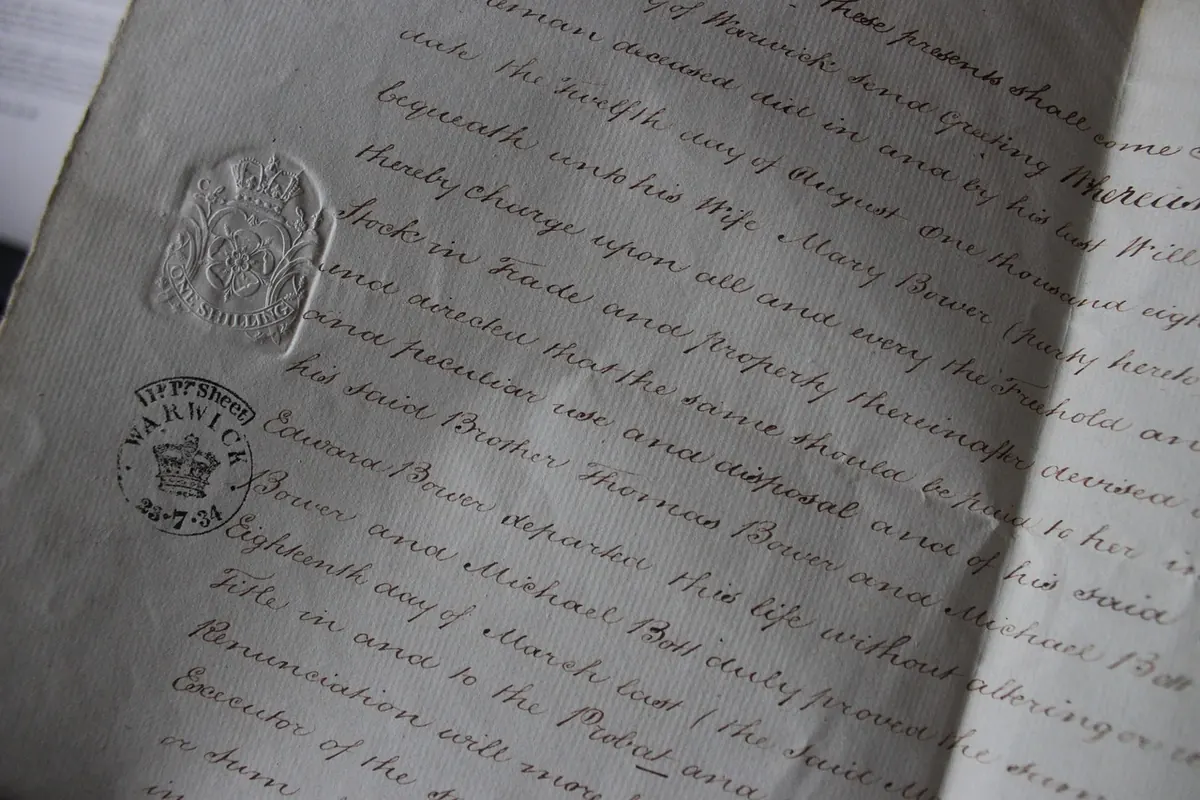

An essay is a promise: that what follows has been thought about, and that the thinking can be checked. Break that promise once — a figure that turns out to be a guess, a quote that turns out to be a paraphrase, a sentence borrowed from a source nobody was told about — and the reader's trust does not go loud. It goes quiet. Fact-checking and citation are simply the work of keeping that promise, and they are far less mysterious than they sound. Mostly, they are habits practised until they become reflexes.
Find the Claims That Could Break
Anything a reader could reasonably dispute is a claim: numbers, dates, causal statements, superlatives, the words "first" and "only", and every sentence that begins "critics have argued". Mark them as you draft, even roughly. Then ask one question of each: what is the strongest source that would carry this?
Not a source. The strongest available one. That usually means working back towards the origin.
- Primary material — the document, the dataset, the interview, the recording, the first edition.
- Secondary work — reporting and scholarship that cite the primary source and show their working.
- Tertiary summaries — encyclopaedias, digests, aggregator pieces. Useful for orientation, weak as evidence.
If three articles all cite the same study, you have one source, not three. Read the study if you can. If you cannot, be honest about what you actually read.
Verifying Without Losing a Week
Facts travel badly. By the fifth retelling, a percentage has lost its base, a rate has become a total, and a population has quietly changed. So check the shape of the claim, not just its existence. What is the percentage of? Which year, which country, which group? Does the source say "associated with" where your sentence says "causes"?
Press releases are a particular hazard: they tend to describe the most exciting possible reading of a paper, and that reading often does not survive contact with the paper itself. Go to the source and check whether the conclusion matches the framing.
Keep a working file as you research. One line per claim: the claim in your own words, the source, the page or section, the date you looked, and a short note on what the source actually says. It is unglamorous and it will save you twice — once when you write, once when someone queries a figure a month later.
When you cannot find a source, you have three honest options. Cut the claim. Soften it to what you can support. Or own it as your own reasoning: "the pattern suggests" is a fair sentence, where a phantom statistic is not.
Quoting Accurately — and Knowing When Not To
Quotation marks mean the exact words, in the exact order. Ellipses mark omissions. Square brackets mark insertions or a changed tense. Use [sic] sparingly and never as a smirk; if the error is irrelevant, quote around it or paraphrase.
Context is where most misquotation happens. A sentence that means one thing inside a paragraph can invert when lifted out of it, so read the paragraph around your quote, and ideally the section. If the surrounding argument contradicts the sentence, either quote the tension in or paraphrase with the caveat attached.
Short quotations sit inside your own sentence. Longer ones are worth setting apart only when the phrasing itself is the point, which is rarer than most drafts assume. Either way, the attribution belongs in the text or immediately beside it, not buried at the foot of the page.
Paraphrase is often the better choice, because it proves you understood the argument. But paraphrase means rebuilding the sentence, not swapping synonyms into the source's frame.
The Quiet Forms of Plagiarism
Copying and pasting is the obvious offence. The others are quieter, and more common.
- Patchwriting — keeping a source's sentence shape and replacing the words. The theft is structural, and readers notice.
- Argument laundering — reading a good case somewhere, forgetting exactly where, and presenting the sequence of reasoning as your own.
- Structural borrowing — following a source paragraph by paragraph, so that your essay is a tour of someone else's.
- Reusing your own published work without saying so, which matters when another publisher holds the rights.
- Citing at second hand — listing a source you have not read. Either read it, or write "quoted in" and cite what you did read.
Attribution is not only for words. Ideas need it too, and "as Patel argues" is doing real intellectual work, not just paying a toll.
Citing So a Reader Can Follow
A citation has three jobs: to let someone check you, to credit the person who did the work, and to show where your essay sits in an existing conversation. Style matters less than consistency. Choose one system — Chicago, Harvard, MHRA, or your publication's house style — and apply it without exception.
In online essays, link the specific claim rather than the homepage, and link to the version you actually used. If a page may move, give the title and date in the text so it stays findable. Page numbers belong with direct quotations and with any specific claim pulled from a long work.
If you are unsure whether something needs a citation, the honest test is this: if you looked it up, cite it. "Common knowledge" is a narrower category than most writers assume. Widely known generalisations are fine; field-specific findings are not common knowledge to your reader, however familiar they are to you.
A Last Pass Before It Goes Out
- Read every sentence containing a number, a name, a date, or the words "first", "only" and "most".
- Match each one to a note. No note, no claim.
- Check each quotation against the original text — not against your notes.
- Confirm each attribution names the right person, the right work and the right year.
- Open your own links, logged out, and see where they land.
- Lay paraphrases beside their sources and read the two side by side.
- Ask someone else to check two or three load-bearing facts. They will find what you cannot see.
If your essay reproduces a substantial extract or material still in copyright, check permissions with the rights holder, or take proper advice before publication.
Make It a Reflex
None of this is the dull part of writing. Checking is how you learn what you actually think, because half of the work is discovering that the confident sentence you drafted is not quite true and that the accurate version is more interesting. Good citation, meanwhile, is a form of generosity: to the reader who wants to go further, to the people whose work you built on, and to the record itself.
Do it well enough, often enough, and it stops feeling like a stage in the process. It becomes the way you read — and that is the difference between an essay that merely sounds authoritative and one that deserves to be believed.
Photo: Mario Spencer / Pexels